



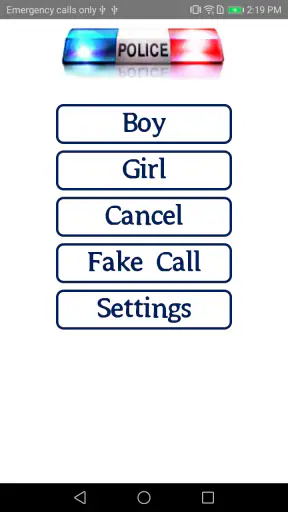
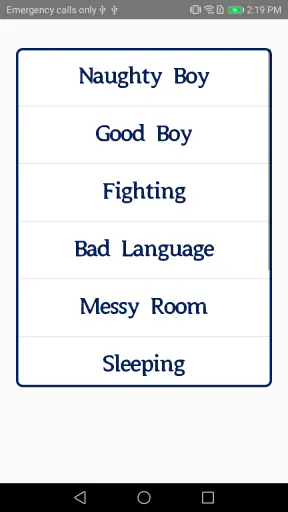
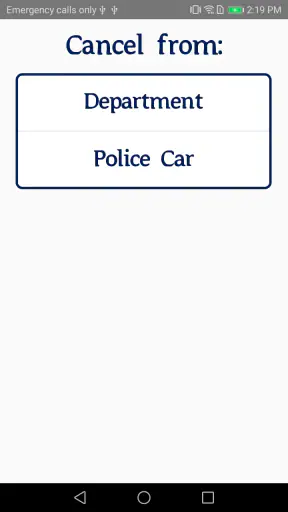
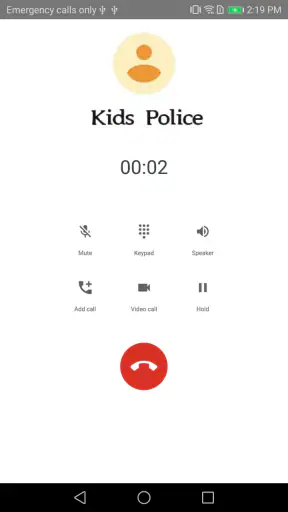
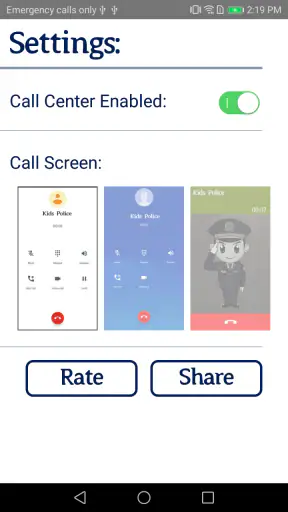
When a child is testing boundaries, the hardest part is often not knowing that the behavior is a problem; it is finding a calm, consistent way to respond. Kids police is a free parenting app from Kids police that focuses on helping parents discipline children’s behavior. I approached it as a practical household tool rather than a replacement for conversation, and that distinction matters. Its value is greatest when a parent needs a simple structure for handling repeated behavior, not when the family is looking for a complete parenting course or professional guidance.
The app belongs to the parenting category and is suitable for Everyone. It has been available since November 3, 2014, and its current version is 1.2.4 for devices running Android 5.0 or later. With more than a million installs, it is clearly aimed at ordinary family use rather than a narrow specialist audience. I also noticed that its average rating is 4.4 from around 4.1 thousand ratings, with roughly 602 written reviews. Those figures suggest that many parents find the basic idea useful, while the written feedback is still worth reading carefully because discipline tools can work very differently from one family to another.
Turning discipline into a repeatable routine
The central capability is straightforward: Kids police gives parents a way to frame discipline as a deliberate process instead of an emotional reaction. That sounds modest, but it changes the moment when the app is most useful. A child refuses to stop playing, argues about bedtime, ignores a request, or repeats an agreed rule. In that situation, a parent may either improvise a consequence or reach for a system that encourages consistency. This app is built around the second approach.
I would not describe it as a magic behavior changer. No app can make a child cooperate simply because a screen is present. Its practical role is to help the adult make a decision, communicate it clearly, and avoid changing the rule five minutes later. The real benefit is consistency, not authority. If parents use the same calm process each time, children are more likely to understand what is expected and what follows when an agreement is ignored.
That focus also explains why the app can feel useful even though the idea is simple. Parenting advice often fails at the exact point where a tired adult has to apply it. A parent may know that consequences should be predictable, proportionate, and connected to behavior, yet still struggle to follow through after a long day. Kids police places the emphasis on action. It can act as a prompt to pause before shouting and to treat discipline as a planned response.
At the same time, I would keep expectations realistic. This is not a substitute for talking with a child about feelings, checking whether a rule is age-appropriate, or understanding why a behavior is happening. A child who is hungry, overtired, anxious, overwhelmed, or having difficulty at school may need support rather than punishment. The app is most responsible when it supports a wider parenting approach instead of becoming the whole approach.
What using it feels like in a normal household
The best way to use a tool like this is before the conflict becomes intense. I would decide which behavior needs attention, explain the household expectation in simple language, and make sure the child understands what will happen if the rule is broken. Then, when the situation occurs, I would use the app as a reminder to follow the agreed response rather than inventing something harsher in the moment.
For example, imagine a child who repeatedly refuses to put away a tablet before dinner. A parent can state the rule while everyone is calm: the device is put away when the timer or agreed stopping point arrives. If the child refuses, the parent can apply the previously explained consequence without starting a long argument. The useful part is not making the tablet disappear through technology; it is helping the adult avoid bargaining, threats, and inconsistent exceptions.
That workflow reveals an important trade-off. Kids police may be most effective when the parent does preparation away from the immediate crisis. If someone opens it only after a child is already shouting, the app cannot remove the tension or repair a disagreement. I found the concept more convincing as a planning and follow-through aid than as an emergency button.
I would also use short, specific language alongside it. “You broke the rule” is less helpful than “We agreed that toys are put away before the next activity.” After the consequence, the parent should return to normal interaction rather than repeatedly bringing up the mistake. This prevents the discipline routine from turning into a child’s permanent label. The app can support structure, but the parent still has to provide judgment and warmth.
A realistic bedtime example
Bedtime is where this kind of system makes the most sense to me. A child asks for another story, another drink, or more time with a device. The parent says yes several times, then suddenly becomes angry. The child learns that persistence sometimes works and that the final reaction is unpredictable. A consistent routine can break that pattern.
I would set the expectation earlier in the evening, use the app to keep the response consistent, and avoid adding a new punishment simply because the child complains. If the child accepts the boundary, I would acknowledge that cooperation. If the child does not, I would apply the planned consequence briefly and continue the bedtime routine. The app’s contribution is the reminder to stay with the decision; the emotional reassurance and explanation still come from the adult.
There is a subtle advantage here: parents can review their own choices after the event. Was the rule clear? Was the consequence realistic? Did it fit the behavior? Did the child have a genuine opportunity to comply? These questions are more valuable than simply counting how often a child was corrected. A discipline system should help a family improve its routine, not encourage parents to collect failures.
Where the approach can go wrong
The biggest risk is using discipline as a scorekeeping exercise. If every small mistake receives the same response, the child may feel watched rather than guided. I would reserve the app for a few important, repeat behaviors and handle minor annoyances with a quick reminder, redirection, or natural consequence. That keeps the system from becoming exhausting for both parent and child.
Another limitation is that the app cannot judge context as well as a parent can. The same behavior may mean tiredness one evening and deliberate testing another evening. A rigid response can be unfair when a child is ill, adjusting to a major change, or struggling with something the parent has not noticed. Before applying a consequence, I would ask whether the child understood the expectation and had the ability to meet it.
Parents should also agree with each other before bringing a discipline tool into the routine. If one adult uses Kids police to enforce a rule while another immediately cancels the consequence, the child receives mixed messages and the app becomes part of the conflict. A short family discussion about which behaviors matter, which consequences are acceptable, and when flexibility is appropriate will make the tool far more useful.
Privacy and device habits are practical considerations too. Since this is a parenting app, I would avoid treating the phone as the center of every interaction. The child does not need to feel that a device is monitoring them. The parent can use the app privately as a planning aid, then speak directly and respectfully. That approach keeps technology in the background where it belongs.
How it compares with familiar alternatives
The usual alternatives are a paper chart, a family notebook, a spoken agreement, or a parenting book. A paper chart can be more visible and easier for a child to understand, especially when the goal is encouraging positive habits. A notebook can capture context and patterns better than a quick discipline routine. Conversation alone can work very well when parents are already consistent and the child responds to verbal boundaries.
Kids police is more appealing when the parent wants a dedicated digital prompt and does not want to design a system from scratch. It is less appealing if the family needs detailed behavior tracking, shared access between several caregivers, developmental guidance, or a broad library of expert advice. In those cases, a specialized behavior-tracking tool, a paper routine, or advice from a qualified professional may be a better fit.
I would also avoid comparing it with parental-control software. Apps that limit screen time or block content control device access; they do not necessarily teach a child why a rule exists or how to recover after breaking it. Kids police belongs to the discipline side of parenting, so its success depends heavily on the parent’s communication. It should not be chosen as a technical solution to a behavioral or emotional problem.
Who will get the most from it
I think the strongest audience is a parent who already knows which household rules matter but struggles to apply them consistently. It can be particularly helpful when one repeated issue dominates the day, such as refusing transitions, ignoring cleanup, or pushing past a bedtime boundary. In that situation, a simple routine is easier to maintain than a long list of goals.
It may also help a parent who tends to give several warnings and then impose an overly severe consequence. Using a planned process creates a middle ground: the child gets a clear opportunity to cooperate, and the parent avoids escalating out of frustration. The improvement is not necessarily immediate obedience. It may simply be fewer arguments because everyone understands what happens next.
Families should skip it if they want the app itself to discipline the child, if they prefer reward-focused methods only, or if their main concern involves serious aggression, self-harm, abuse, developmental difficulties, or a major emotional crisis. Those situations call for qualified support and a more individualized plan. A general parenting app cannot safely handle that responsibility.
The free price makes it easy to try without adding a financial barrier, and the Everyone age rating makes it broadly accessible as a family-oriented app. Still, free does not mean effortless. The parent has to decide how to use the method, explain expectations, and review whether the results are fair. I would spend a few days testing one behavior rather than applying the system to every disagreement at once.
My final view after using the approach
Kids police is a focused tool with a clear purpose: helping parents respond to behavior in a more organized way. I like that its usefulness comes from changing the adult’s routine rather than pretending that a phone can control a child. Used privately, calmly, and with proportionate consequences, it can reduce impulsive reactions and make household boundaries easier to understand.
Its limits are just as important. It does not replace empathy, explanation, positive reinforcement, or professional advice when a problem is serious or persistent. It can also become counterproductive if parents use it for every small mistake or treat discipline as a competition. The best results come from choosing one recurring issue, agreeing on a reasonable response, and adjusting the plan when the child’s circumstances change.
For a free parenting app from Kids police, the idea is practical and approachable. I would recommend it to parents who want help with follow-through, especially during repetitive daily conflicts such as bedtime or transitions. I would not recommend relying on it alone, but I do see value in using it as a quiet prompt for clear rules, calm consequences, and a more consistent family routine.


